
Planning a German-themed celebration and wondering what to put on the table? The right accompaniment can turn a good meal into an unforgettable one, and these easy German side dishes do exactly that.
While the main dish often steals the spotlight, sides are what complete the experience. From cozy potato bakes to a hearty casserole or classic rotkohl, these dishes add balance, color, and depth to the menu.
They may play a supporting role, but they’re the reason every bite feels finished.
Perfect for Oktoberfest parties or casual German-inspired dinners, this collection pairs beautifully with schnitzel, sausages, Schweinshaxe, smoked pork chops, and more.
You’ll also find fresh and tangy options inspired by traditional German salads, giving you plenty of contrast alongside rich, savory mains.
No matter the size of your gathering, these German side dishes will help you build a table that feels authentic, comforting, and celebration-ready. Let’s dig into the best of the best.
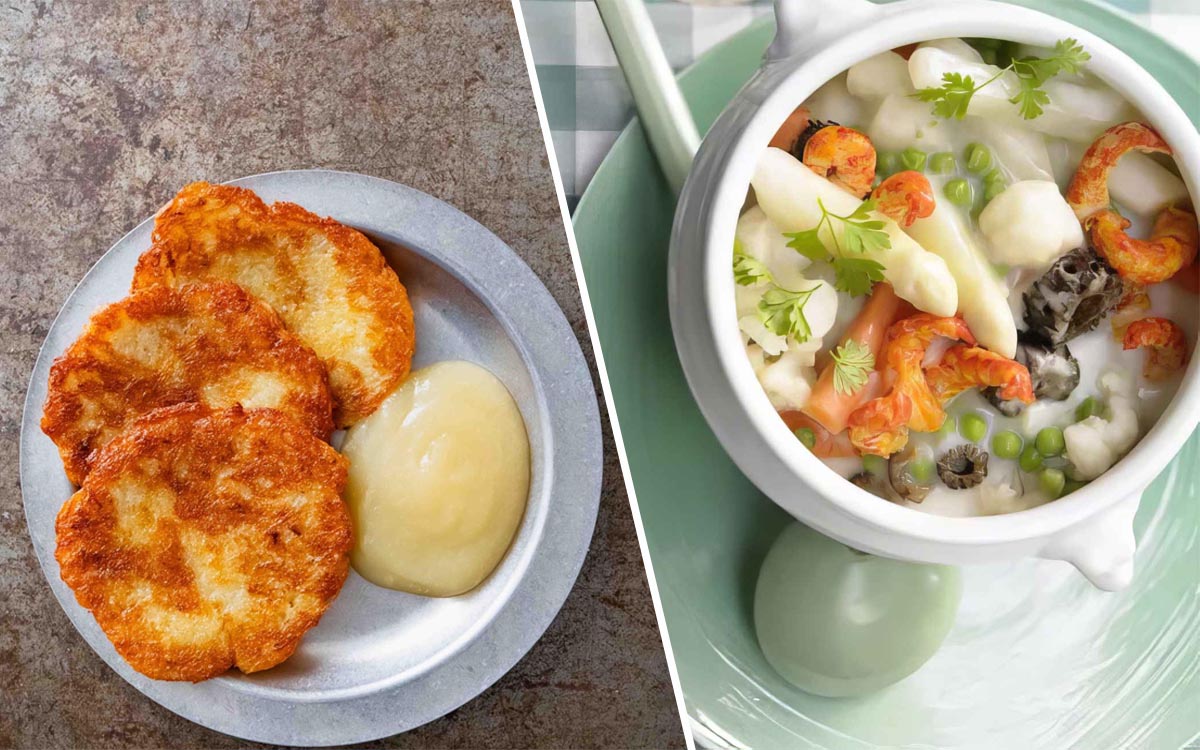
25. How to Make at Home Kroketten (Potato Croquettes)
Potato croquettes are one of those special side dishes that instantly feel festive. In Germany, Kroketten usually appear at holiday tables, family celebrations, or Christmas dinners, and they’re loved equally by kids and adults.
These golden, crispy rolls are made exclusively with potatoes—no meat or fish fillings like some international versions.
At their core, croquettes are wonderfully simple: smooth mashed potatoes shaped into logs, coated in breadcrumbs, and fried until perfectly crunchy on the outside and soft inside. What makes them so irresistible is that contrast in texture.
They’re comforting, nostalgic, and proof that humble ingredients can turn into something truly celebratory.
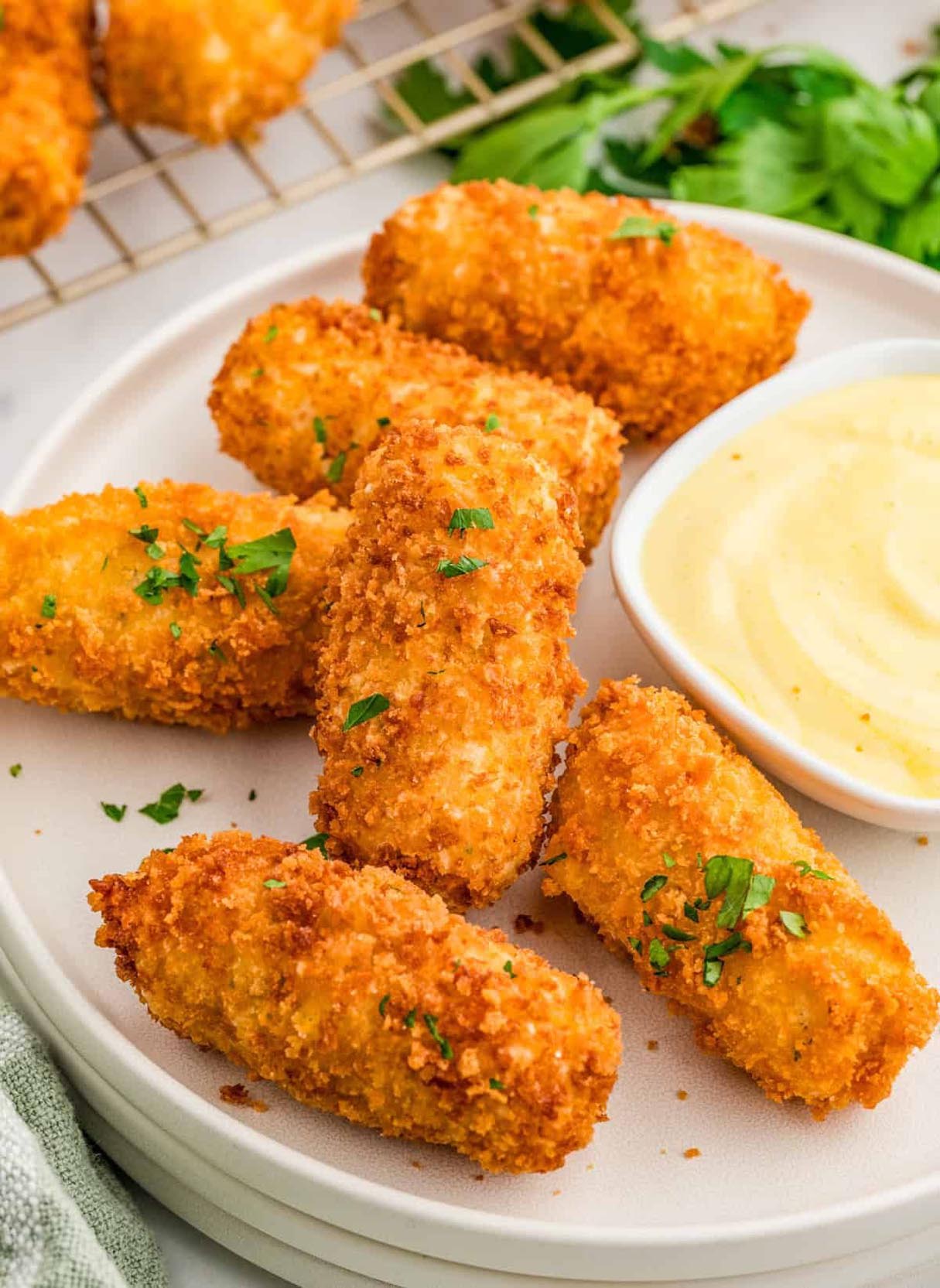
24. Insanely Good Currywurst Sauce
Few foods spark as much national unity in Germany as Currywurst. No matter where you live, chances are you love it. This iconic street food is quick, messy, comforting, and completely addictive.
In many ways, Currywurst holds the same cultural status for Germans as burgers do for Americans. Everyone knows it’s not the healthiest option, but that’s never stopped anyone.
The real star is the sauce—a rich, tangy, slightly sweet tomato-based mixture with curry spices that clings to every bite of sausage.
It’s bold, nostalgic, and deeply satisfying, which explains why Currywurst remains one of Germany’s most beloved comfort foods.
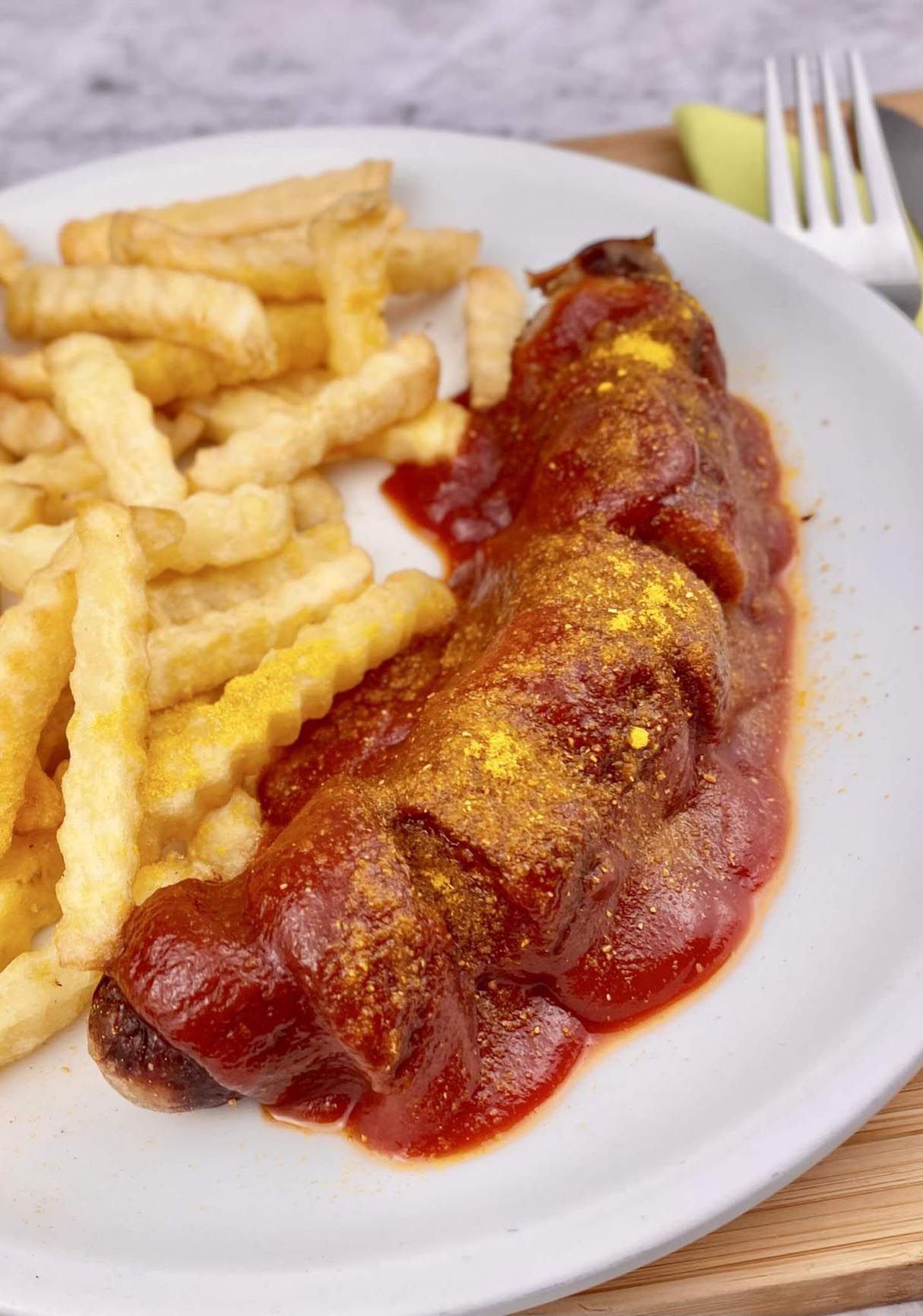
23. How to Cook Spargel – German White Asparagus
German white asparagus, known as Spargel, is a true seasonal delicacy and a highlight of springtime cooking. Unlike green asparagus, it grows underground, giving it a pale color and a milder, more delicate flavor with subtle bitterness.
Preparing Spargel is simple but important: the tough outer skin must be peeled, and the woody ends removed—either by cutting or snapping them naturally. Once prepped, it can be boiled or gently cooked much like green asparagus.
Served with butter, hollandaise, or simple potatoes, Spargel is elegant without being complicated and shows just how refined vegetable dishes can be in German cuisine.

22. Schupfnudeln – Kid-friendly German Potato Noodles
Schupfnudeln are traditional German potato noodles that resemble Italian gnocchi, but with their own rustic charm. Popular in southern Germany, they can be served as a side dish or a main meal, depending on how they’re prepared.
Made from cooked potatoes, flour, and a few basic ingredients, they’re surprisingly easy to make at home. Their fun, finger-shaped form makes them especially appealing to kids, and they’re a great way to use leftover potatoes.
Pan-fried until lightly crisp or tossed with butter and herbs, Schupfnudeln are comforting, versatile, and endlessly family-friendly.
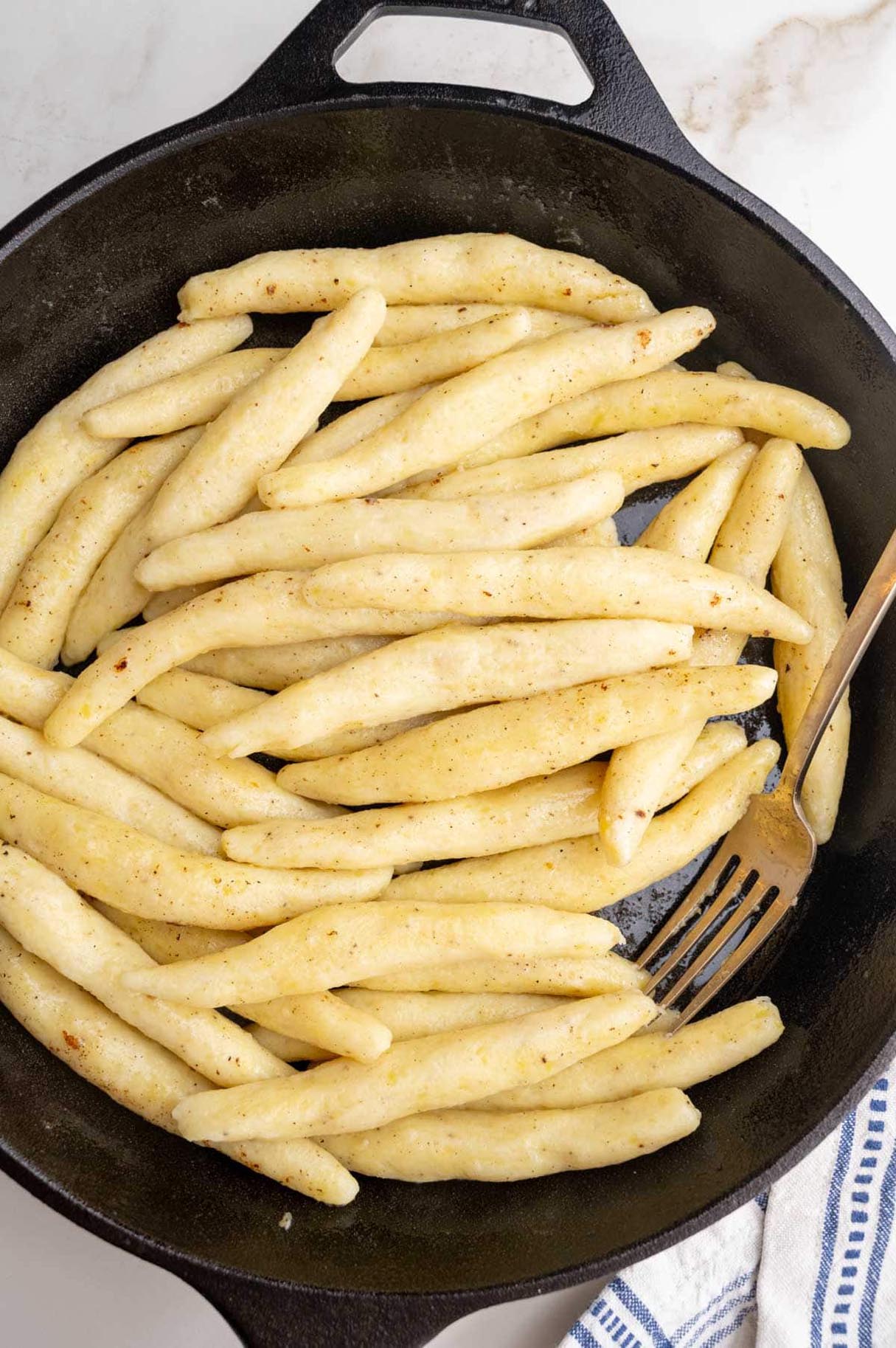
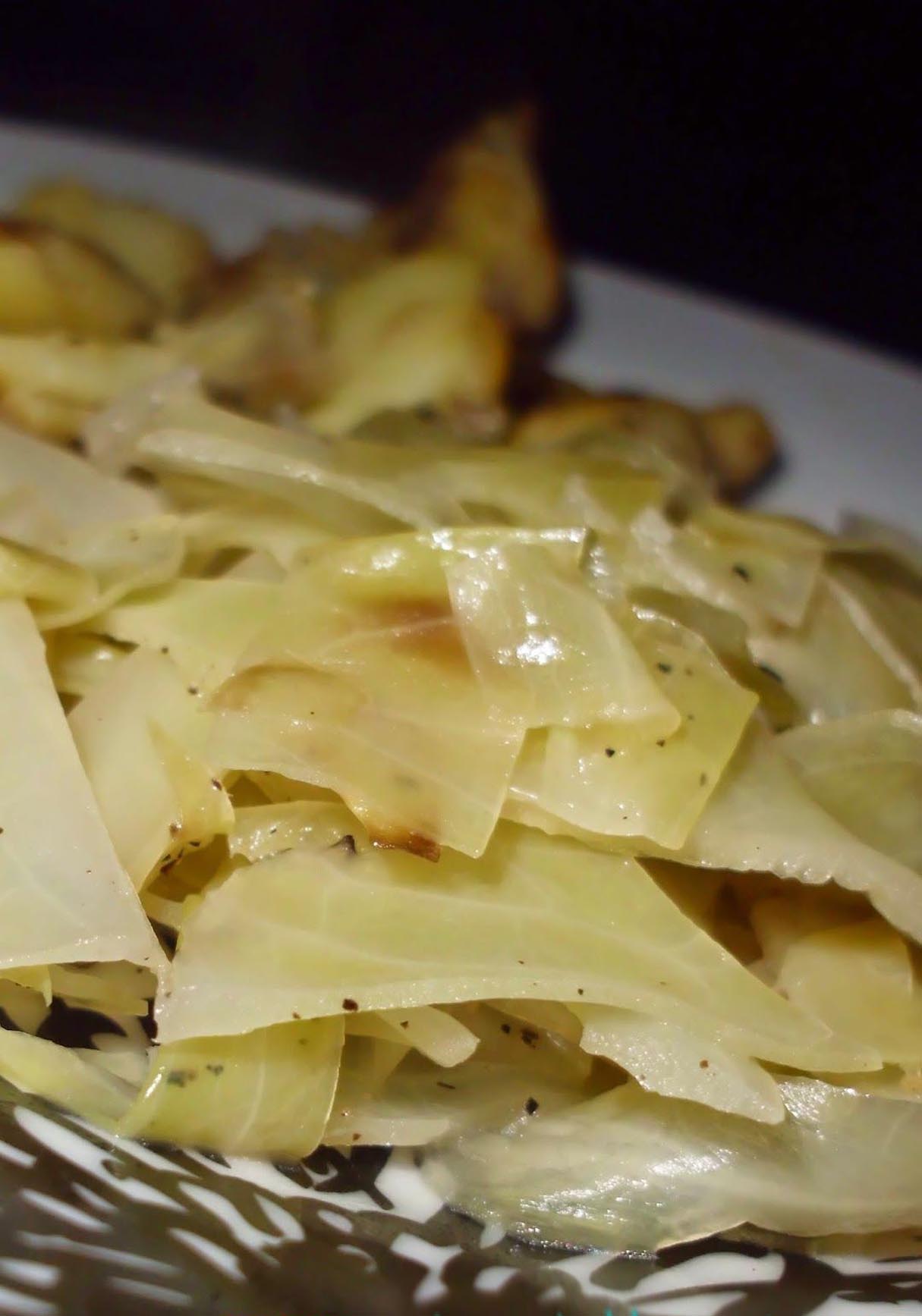
21. Try to Make Weisskraut (Bavarian Braised Cabbage)
While sauerkraut often steals the spotlight, Weisskraut—Bavarian braised cabbage—has long been a quiet favorite in southern Germany.
This comforting side dish is made by slowly cooking shredded cabbage until it becomes tender, mildly sweet, and deeply flavorful. In German, green cabbage is often called “white cabbage,” which explains the name.
Savoy cabbage can also be used for a softer taste. Braising transforms this humble vegetable into something rich and satisfying, making it the perfect partner for roasted meats or sausages.
Simple, affordable, and deeply traditional, Weisskraut proves cabbage deserves more love.
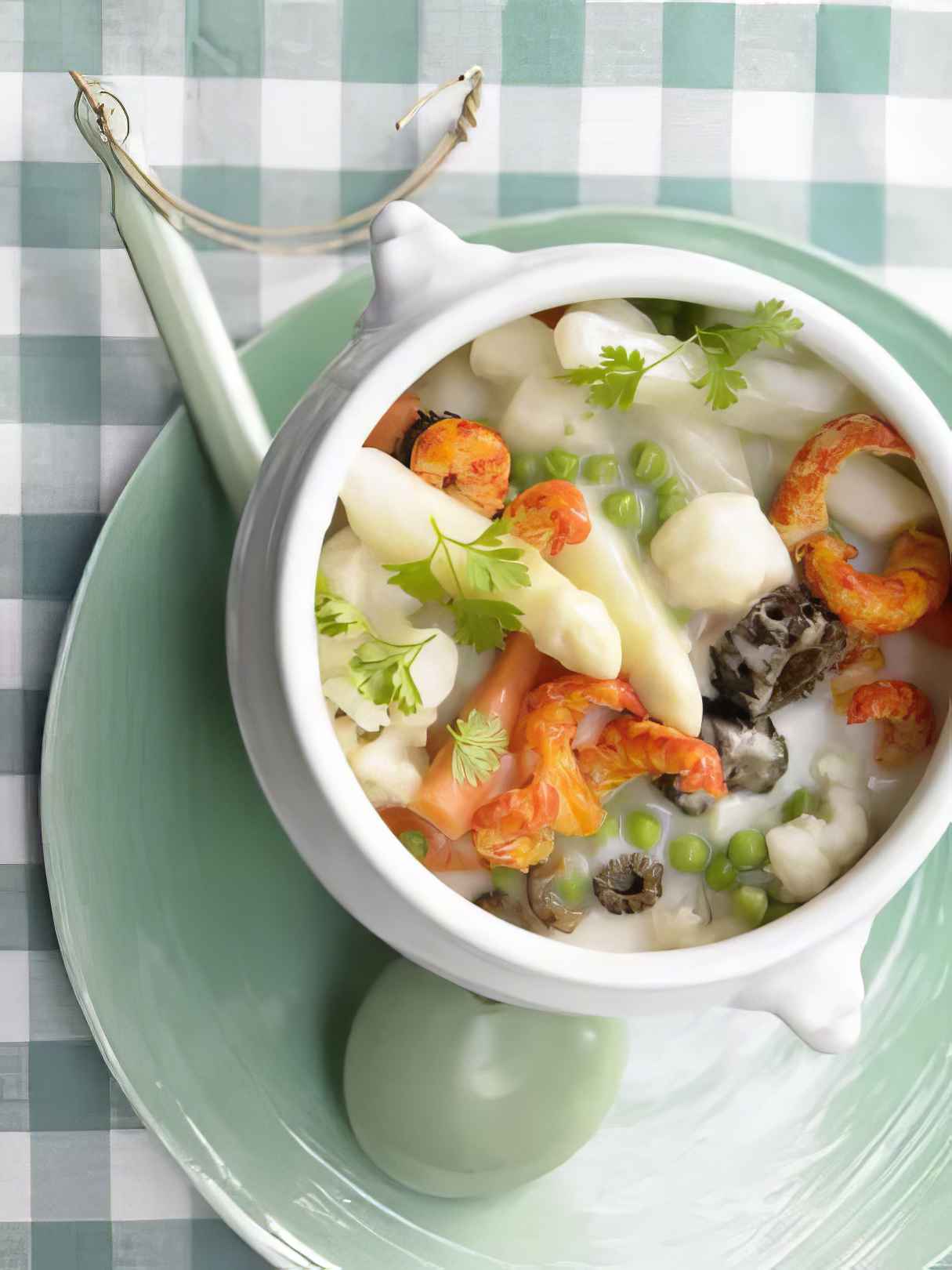
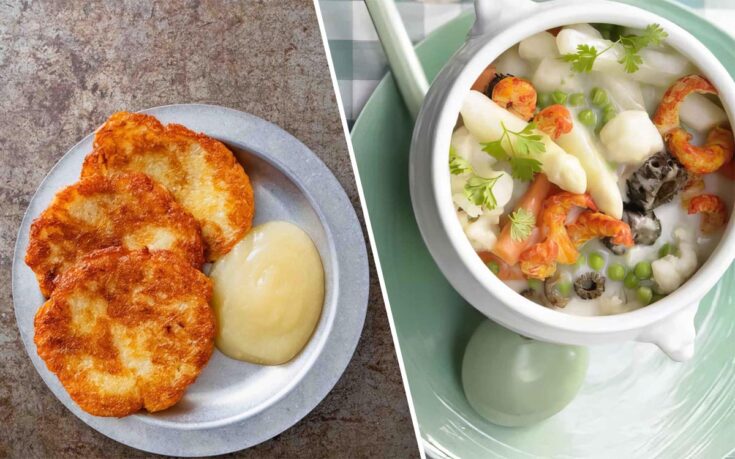
20. Leipziger Allerlei – Crayfish Tails & Mixed Vegetables
Leipziger Allerlei is a classic German dish that originated in Leipzig and showcases a refined mix of vegetables and seafood. Traditionally, it includes asparagus, carrots, peas, cauliflower, and kohlrabi, creating a colorful and balanced base.
Crayfish tails, morel mushrooms, and soft bread dumplings are added for richness and texture. Everything is gently coated in a luxurious, buttery sauce that ties the ingredients together without overpowering them.
Finished with fresh parsley, Leipziger Allerlei can be served as an elegant side or enjoyed as a light main course, especially during spring.
19. Brezel – Authentic German Pretzel Recipe
The German pretzel, or Brezel, is instantly recognizable thanks to its iconic twisted knot shape. This shape is formed by stretching and crossing a long rope of dough before baking.
In Germany, pretzels come in two main forms: crunchy, long-lasting hard pretzels and soft pretzels that are best eaten fresh.
Traditionally, they’re topped with coarse salt, but modern versions feature endless variations, including cheese, seeds, sugar, cinnamon, or even chocolate. Despite their impressive look, pretzels aren’t difficult to make at home.
With basic pantry ingredients and a bit of practice, anyone can master them.

18. Grüne Bohnen (German Green Beans and Breadcrumbs Fried in Butter)
This traditional German side dish pairs tender green beans with breadcrumbs fried in butter, creating a surprisingly rich and satisfying combination.
The beans are first blanched until just tender, then tossed with golden, crispy breadcrumbs that add both texture and flavor. While the pairing may sound simple, the buttery crumbs elevate the dish, giving it depth and a comforting, nutty taste.
It’s a perfect example of how German cooking often relies on straightforward techniques to turn everyday vegetables into something memorable and delicious.

17. Sauerkraut – Tangy German Cabbage Side Dish
Sauerkraut is perhaps the most internationally recognized German side dish, made by fermenting finely shredded cabbage in salt.
Its sharp, tangy flavor is distinctive and often considered an acquired taste, but it pairs beautifully with sausages, pork, and hearty meats.
Beyond flavor, sauerkraut is also incredibly nutritious, packed with vitamins and beneficial probiotics similar to those found in yogurt. Interestingly, fermenting cabbage didn’t originate in Germany—ancient Chinese cultures used rice wine for fermentation.
Germans adapted the method using salt brine, creating the sauerkraut we know today.

16. Kartoffelklöße or Kartoffelknödel – Popular German Potato Dumplings
These traditional German potato dumplings quickly became a favorite addition to my collection of hearty potato sides. Soft and tender on the inside, they are usually served drenched in nutty browned butter and finished with crisp croutons for contrast.
They’re also wonderful topped with sautéed onions, smoky bacon bits, or a rich mushroom sauce. For the best texture, roasting the potatoes instead of boiling them is highly recommended — dry potatoes make lighter dumplings.
I often serve these knödel alongside sausages and braised red cabbage. This particular style is especially popular in Thuringia, the Rhineland, and Bavaria, where potato dishes are deeply rooted in regional cuisine.

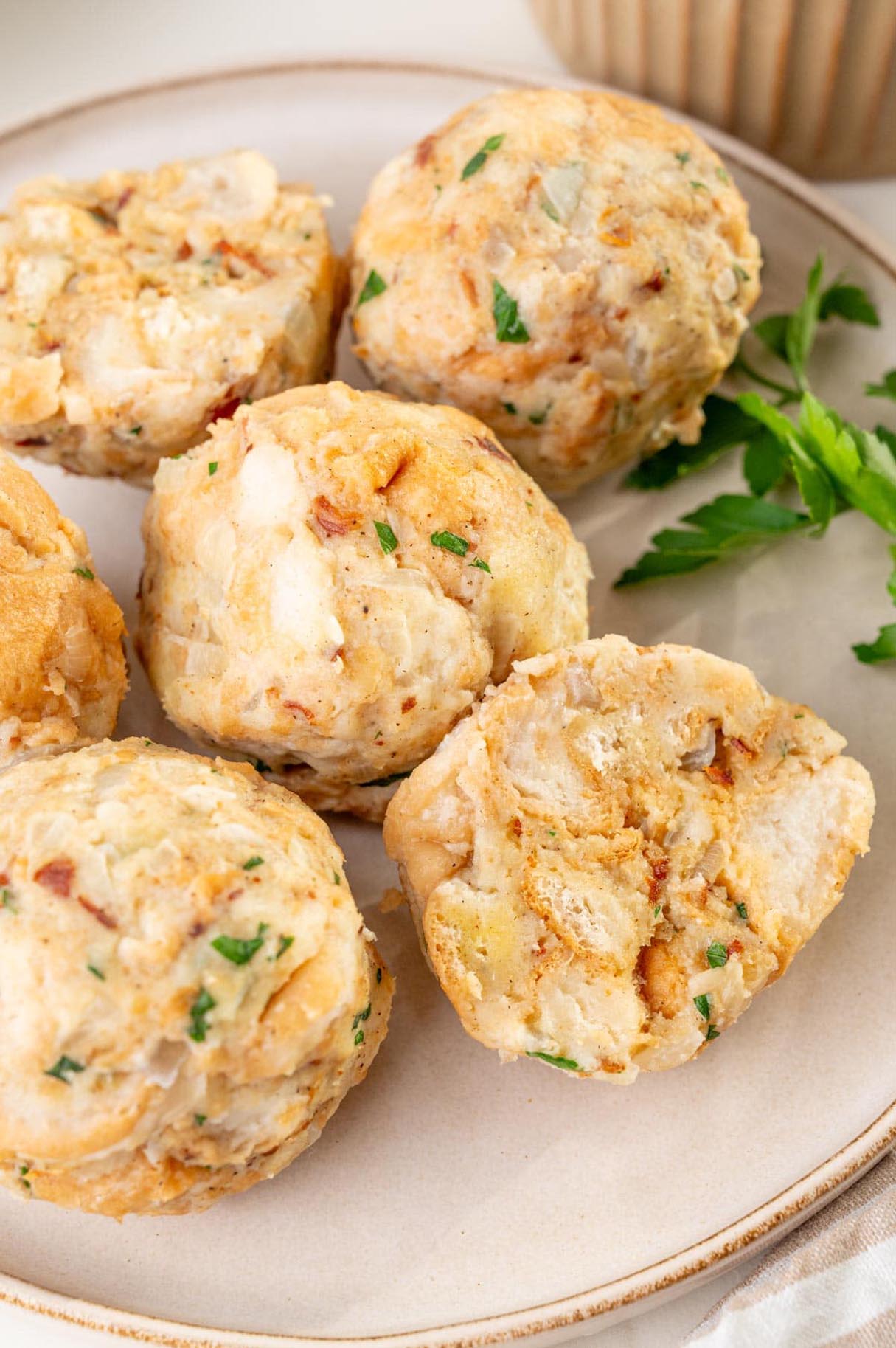
15. Semmelknödel (or Serviettenknödel) – German Dumplings from Stale Bread
Semmelknödel are one of the most widely loved and adaptable dumplings in German cooking. They are traditionally made from leftover bread such as rolls, pretzels, or baguette, making them a smart and delicious way to reduce waste.
The bread is soaked in warm milk, then mixed with eggs, onions, parsley, nutmeg, salt, and pepper. These dumplings can be enjoyed straight after boiling or lightly pan-fried until golden.
They’re a staple at Christmas and special meals, commonly served with roasts, gravy, mushroom sauce, lentils, roulades, or goulash. Their alternate name, serviettenknödel, comes from the old method of steaming them wrapped in a cloth napkin.
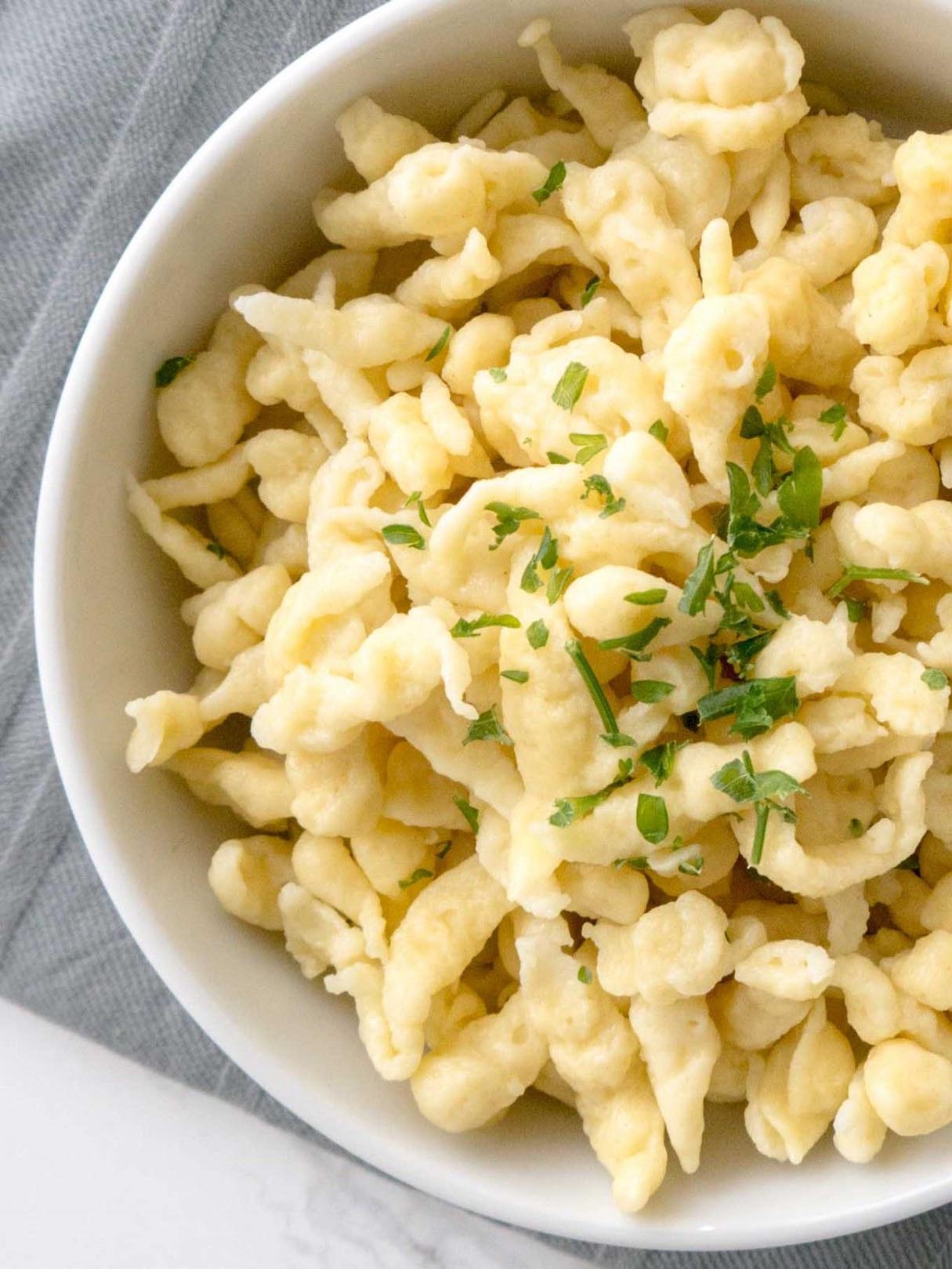
14. Spätzle (Spaetzle) – Pasta from Swabia
Spätzle are a beloved type of German egg pasta originating in Swabia. While there are many regional variations, the basic ingredients remain simple: flour, eggs, milk, and salt.
What differs most is the shape — some are long and thin, others short and plump. Traditionally, the sticky dough is pressed through the holes of a colander or special spätzle press directly into boiling water, forming small, irregular noodles.
Once cooked, they’re usually tossed in butter, which enhances their mild flavor. Spätzle can be eaten plain or paired with cheese, meats, herbs, or rich sauces, making them an incredibly versatile side or main dish.
13. German Noodle Steak Stir Fry Recipe
This quick and satisfying noodle and steak stir fry is perfect for busy evenings when you want something hearty without spending hours in the kitchen.
Tender strips of beef are cooked with fresh vegetables and noodles, then coated in a savory, well-balanced sauce. The entire dish comes together in about 30 minutes and is prepared in a single pan, which makes cleanup easy.
Despite its speed, it still feels comforting and homemade — the kind of meal that hits the spot after a long day. It’s one of my go-to recipes when I want something filling, flavorful, and efficient without sacrificing quality or taste.

12. Gurkensalat – Creamy German Cucumber Salad Recipe
Gurkensalat is a refreshing yet creamy cucumber salad made with thinly sliced cucumbers, red or purple onions, sour cream, vinegar, sugar, and fresh dill. Light, cool, and slightly tangy, it pairs beautifully with grilled meats like steak, chicken, or burgers.
While it’s a classic German side dish, it fits right in at summer gatherings such as barbecues, picnics, and potlucks. Preparation couldn’t be simpler — just mix everything together.
However, chilling the salad for at least four hours is essential, as it allows the cucumbers to absorb the flavors fully. Skipping this step means missing out on what makes this dish truly special.

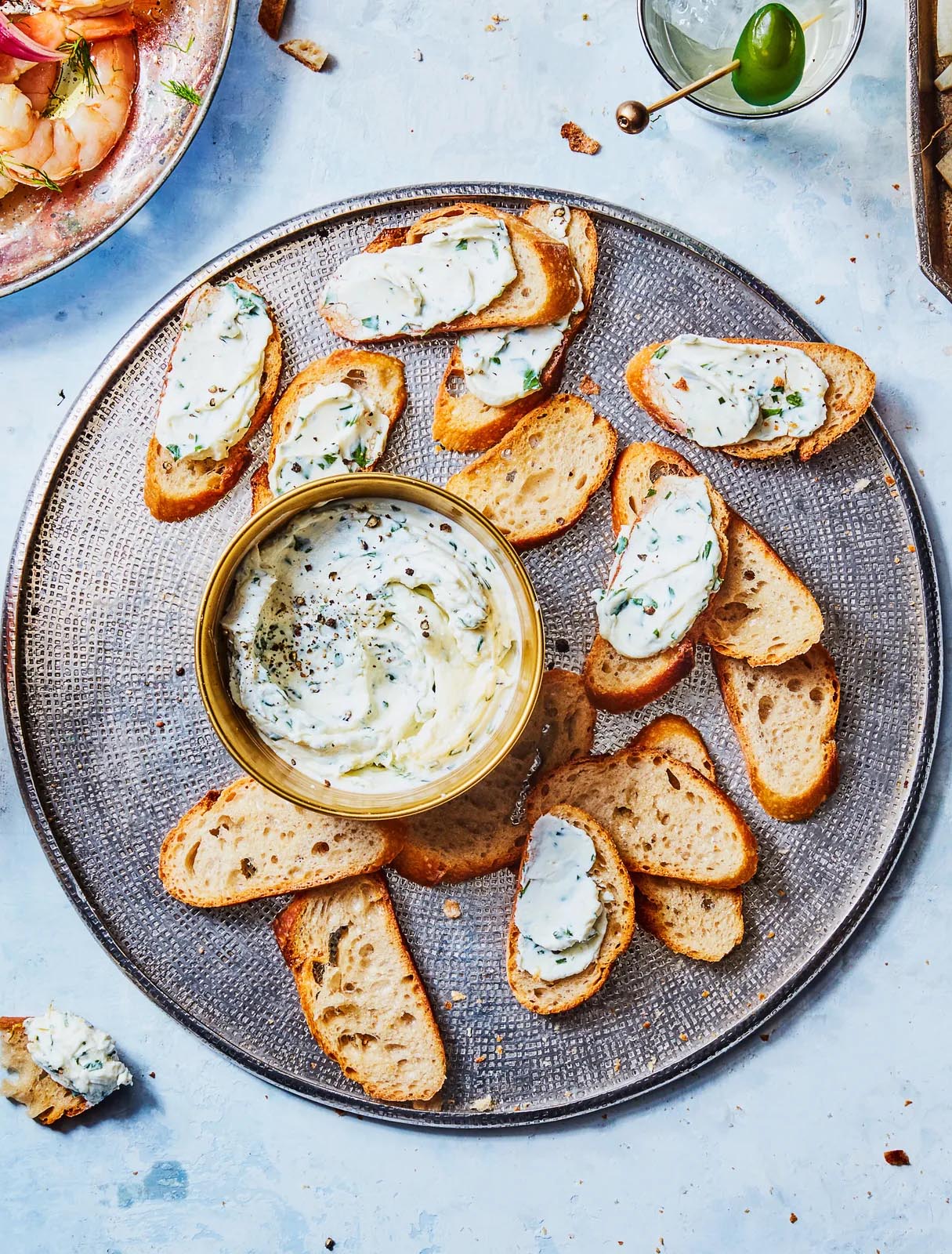
11. Cheese Spread – Wonderful Topping for Brats and Pretzels!
Although cheese spread isn’t strictly traditional German cuisine, this version works exceptionally well with classic German favorites like bratwurst and pretzels.
Made with sharp cheddar, beer, mustard, Worcestershire sauce, garlic, salt, and pepper, it delivers bold, savory flavor with a creamy texture. Everything is blended together until smooth, creating a spread that’s rich but balanced.
It’s ideal for dipping, spreading, or even spooning generously over grilled sausages. Easy to make and endlessly crowd-pleasing, this cheese spread is a great addition to casual gatherings, game days, or Oktoberfest-inspired meals.
10. Pommes (French Fries German Recipe)
Pommes are Germany’s most popular street food side dish and a true classic. Crispy on the outside and fluffy inside, these fries are most often served alongside schnitzel, the iconic breaded and fried cutlet.
Found everywhere from snack stands to restaurants, pommes are usually seasoned simply with salt, allowing their texture to shine. In many places, they’re served with mayonnaise or curry ketchup rather than standard ketchup.
Whether eaten on the go or as part of a plated meal, pommes are deeply ingrained in everyday German food culture and loved by people of all ages.

9. Klösse (Bavarian Potato Dumplings)
Klöße are small, savory potato dumplings made by combining mashed and grated potatoes, then shaping and boiling them into soft, round balls. Nearly every German region has its own variation, each with subtle differences in texture and seasoning.
One of the most famous versions, the Thüringer Kloß, includes crunchy croutons hidden inside the dumpling for added contrast. Klöße truly shine when served with meat and gravy, as they absorb sauces beautifully and become even more flavorful.
Comforting, filling, and deeply traditional, these dumplings are a staple of hearty German home cooking.

8. Kartoffelpuffer (Crispy and Flavorful Potato Pancakes)
Kartoffelpuffer are classic German potato pancakes that are as fun to eat as they are to pronounce.
Made from freshly grated raw potatoes mixed with eggs and a small amount of flour, the mixture is shaped into flat rounds and pan-fried until deeply golden and crisp on the outside. Inside, they stay tender and moist.
These pancakes are everywhere in Germany — cooked at home, served in restaurants, and sold at street markets, especially during festivals.
Their versatility is part of the charm: they work beautifully as a savory side for sausages, stews, and meats, but they’re just as popular served on their own with sour cream, applesauce, fruit compote, or sweet preserves.

7. Salzkartoffeln (Buttery Parsley Boiled Red Potatoes)
Salzkartoffeln are a simple yet elegant variation of classic boiled potatoes, prepared by cooking them in generously salted water infused with parsley. The result is a smooth, silky potato with a clean, comforting flavor that doesn’t overpower lighter main dishes.
This style is especially common alongside fish or delicate meats, where subtle seasoning matters. Baby red potatoes are ideal here — they cook quickly, have a naturally creamy texture, and don’t require peeling, making them a low-effort, high-reward side dish.
Finished with a little butter and fresh herbs, salzkartoffeln prove that sometimes the most basic preparation lets the ingredient shine the brightest.

6. Butter Potatoes for Relaxed Outdoor Meals
Wrapped snugly in foil and nestled into glowing campfire coals, these potatoes cook low and slow until they’re irresistibly tender.
Inside, the heat works its magic, turning simple potatoes into a fluffy, steaming comfort food with a rich, buttery flavor in every bite. As the foil seals in moisture, the potatoes gently roast rather than burn, absorbing smoky notes from the fire.
Finished with a generous pat of butter, a sprinkle of salt, and maybe a touch of herbs, they’re rustic, satisfying, and perfect for relaxed outdoor meals shared under the open sky.
5. Kartoffelsalat – Delicious German Potato Salad
German potato salad, known as kartoffelsalat, is very different from its creamy American counterpart. For starters, the potatoes are often left unpeeled, giving the dish more texture and character.
Instead of mayonnaise, the warm potatoes are tossed in a tangy dressing made with vinegar, onions, and rendered bacon fat. This creates a bold, savory flavor that clings beautifully to each slice.
Served warm rather than chilled, kartoffelsalat is hearty, comforting, and deeply traditional. It’s most commonly paired with bratwurst or other sausages and is a staple at family gatherings, beer gardens, and festive meals throughout Germany.

4. Himmel und Erde (Mashed Potatoes with a German Flair)
Himmel und Erde, meaning “heaven and earth,” is a comforting German dish that pairs creamy mashed potatoes with sweet apples or applesauce. The name reflects the combination of ingredients grown above ground (apples) and below it (potatoes).
The smooth, buttery potatoes balance beautifully with the natural sweetness and slight acidity of the apples. Traditionally, this dish is served alongside blood sausage — when paired that way, it’s sometimes called “heaven, earth, and hell.”
Today, many people enjoy it simply as a side dish with various meats, appreciating its gentle contrast of flavors and its nostalgic, home-style comfort.
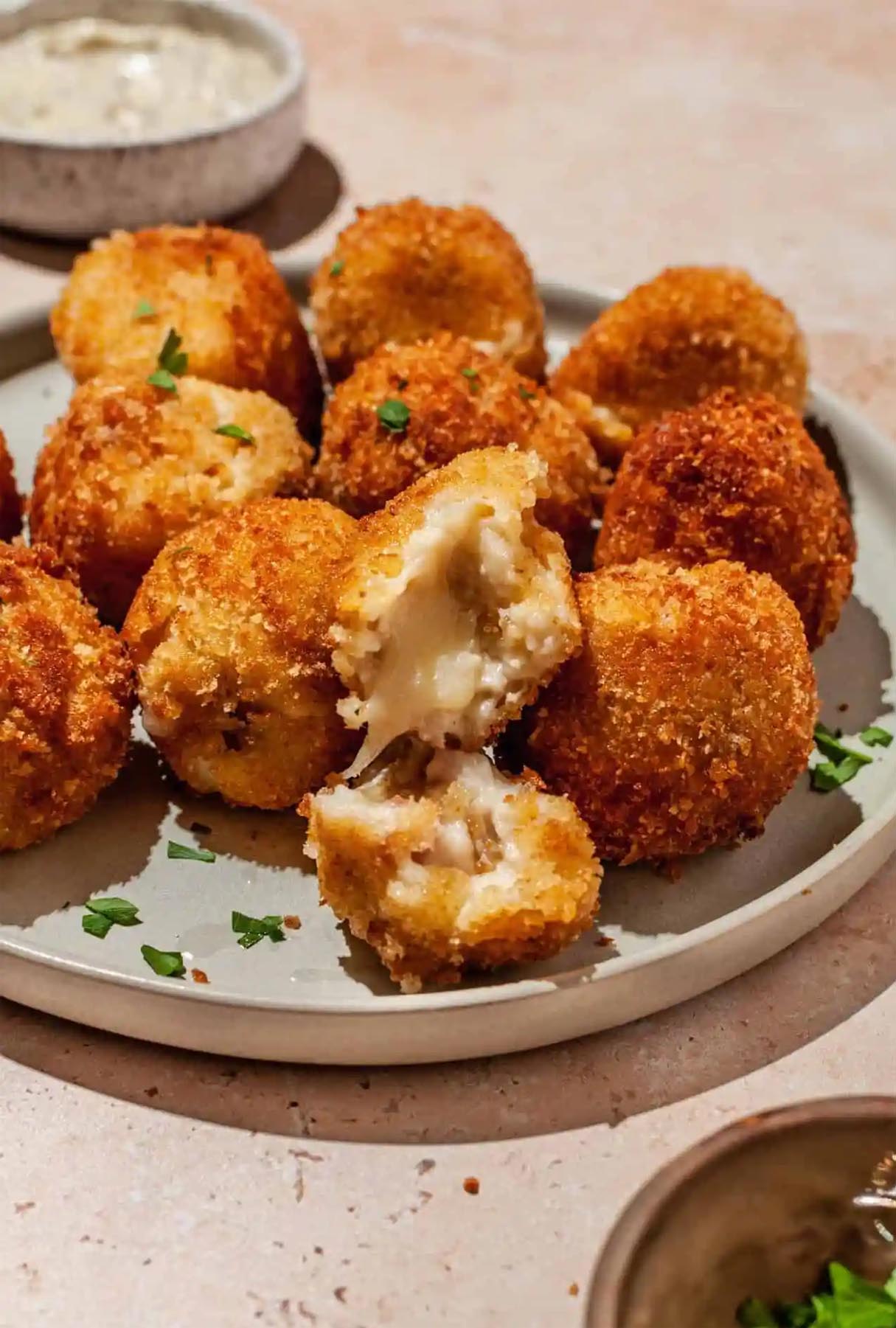
3. Kroketten – Perfect German Side Dish or Snack!
Kroketten are a beloved German side dish and snack, known for their contrast between a crunchy exterior and a soft, creamy center. The filling is made first, often thickened with flour, and while warm it remains almost spoonable.
Once cooled, it firms up enough to be shaped, coated in flour, egg, and breadcrumbs, and then fried. Deep-frying is key — it creates that signature crisp shell while reheating the interior until smooth and tender again.
Homemade kroketten don’t work well in the oven, though many store-bought versions are pre-fried and oven-ready. Freshly made, however, they’re hard to beat.
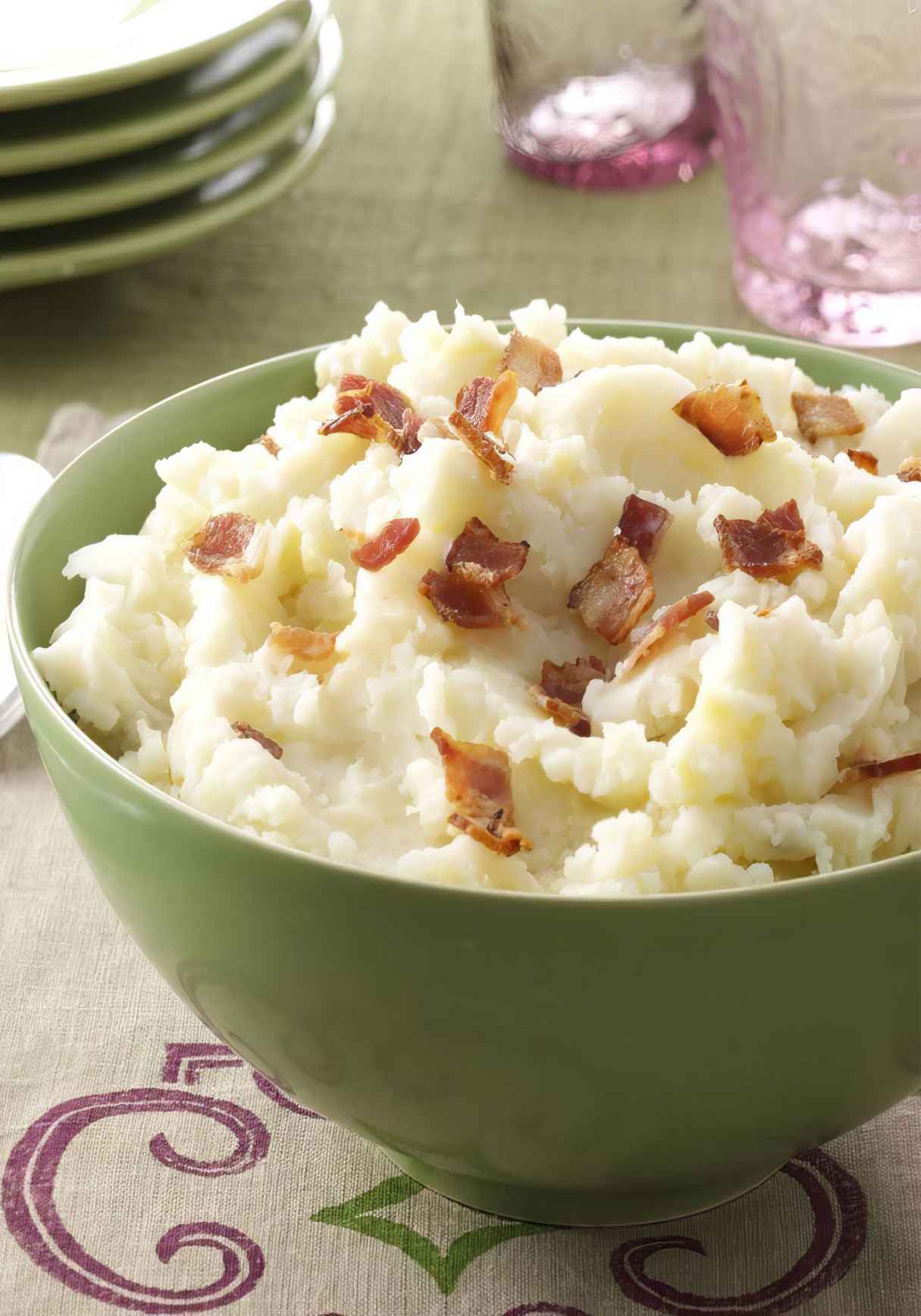
2. Kartoffelbrei (Traditional German Mashed Potatoes)
Kartoffelbrei is the German take on classic mashed potatoes, and while it may not be as famous as some other potato dishes, it’s just as beloved.
The potatoes are mashed vigorously to achieve a smooth, airy texture, then enriched generously with butter and heavy cream for depth and richness. Unlike chunkier versions found elsewhere, German kartoffelbrei is meant to be silky and cohesive.
A sprinkle of fresh parsley adds color and a mild herbal note. Served alongside meats, gravies, or vegetables, this dish is pure comfort — simple, familiar, and deeply satisfying.

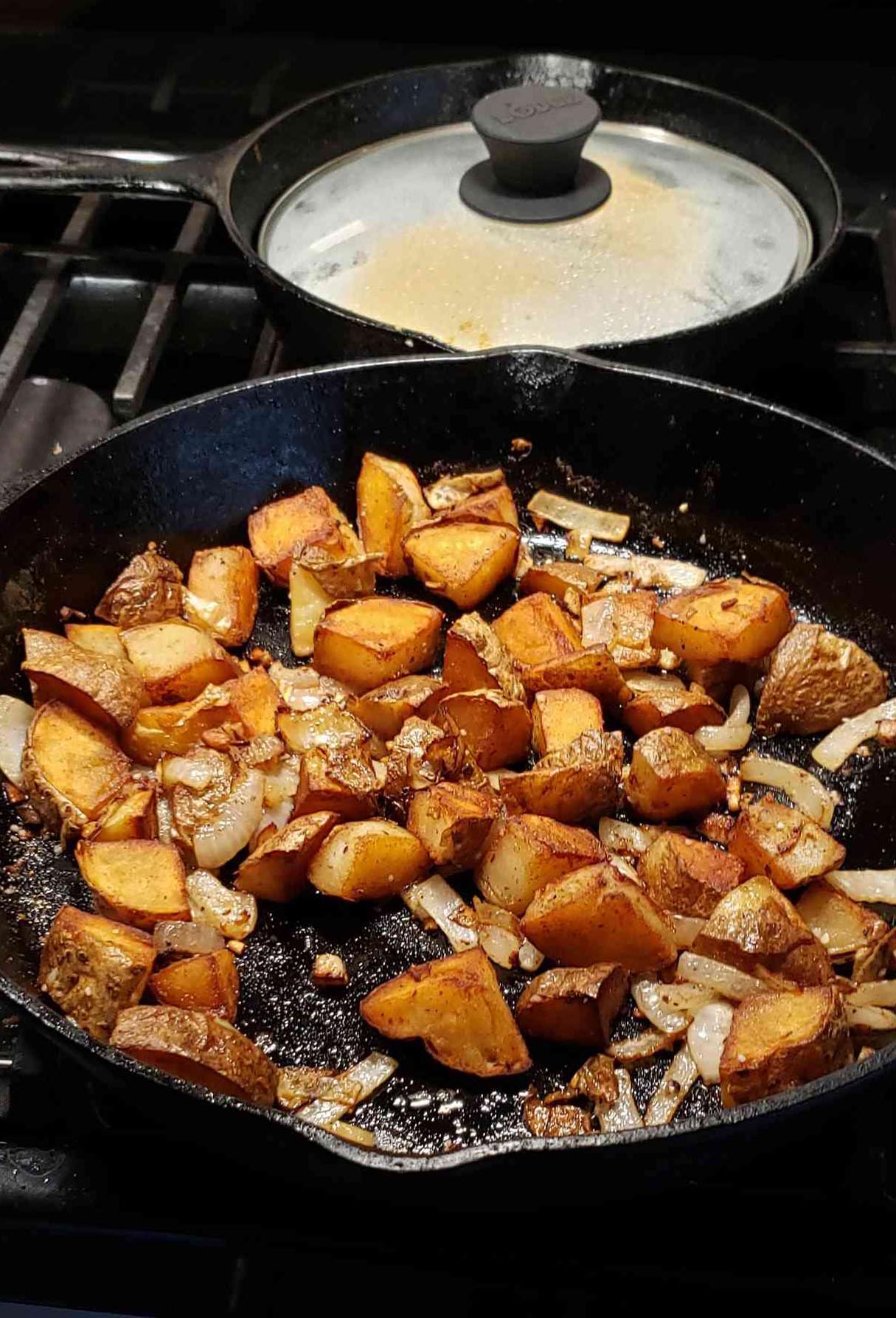
1. Bratkartoffeln (Smooth and Creamy Fried Potatoes)
Potatoes have been a cornerstone of German cooking since the 17th century, and bratkartoffeln are one of the most iconic ways to enjoy them.
Made from smooth, creamy potatoes similar to red potatoes, they’re sliced or diced, briefly boiled, then pan-fried until golden and crisp.
Seasoned simply with salt and pepper, they can be served plain or enhanced with bacon, onions, ham, herbs, or vegetables.
Bratkartoffeln appear everywhere — from home kitchens to restaurants — and are commonly served alongside sausages, meats, fish, or eggs. Crispy, hearty, and endlessly adaptable, they perfectly represent Germany’s love affair with potatoes.

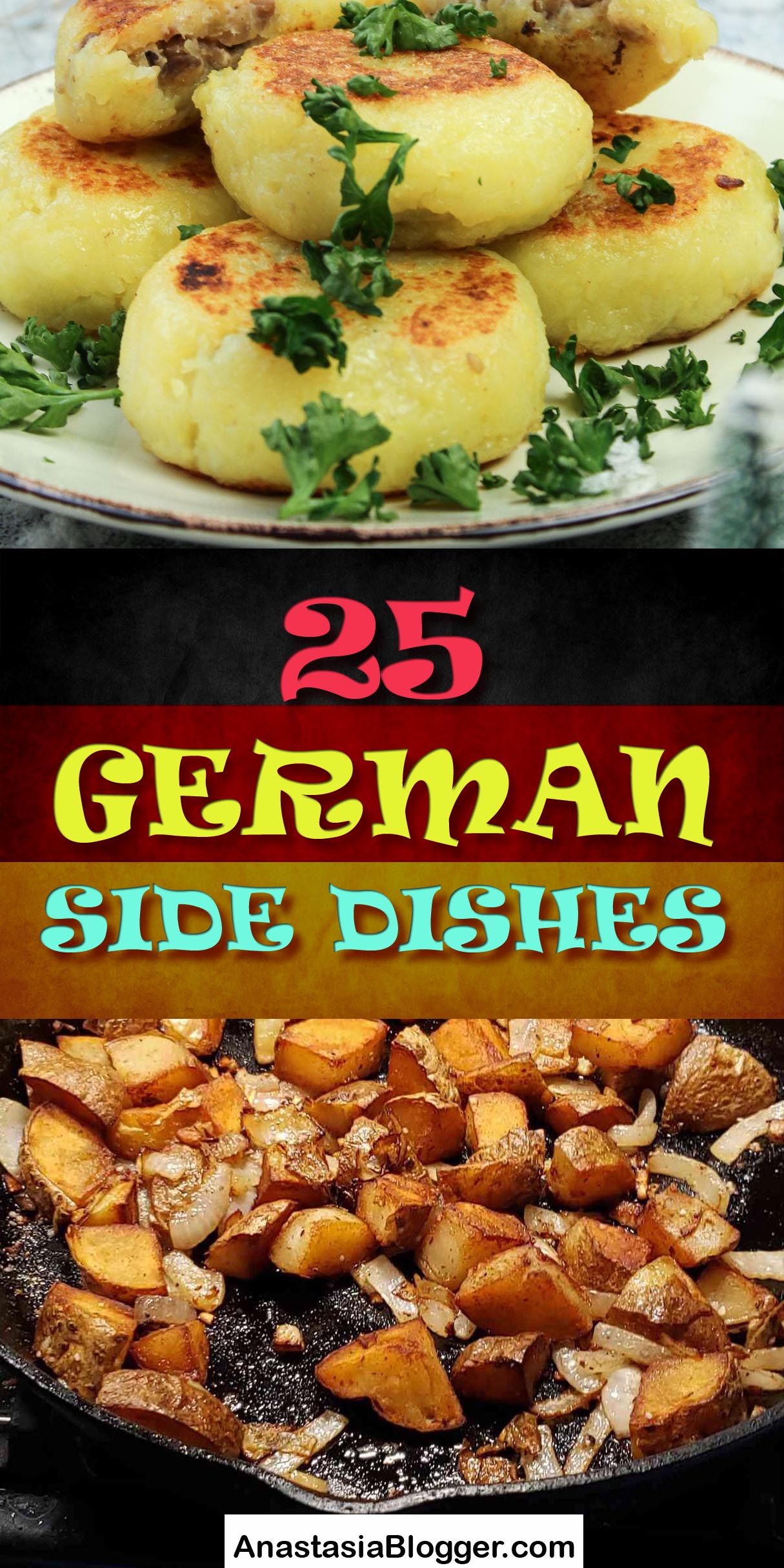
25 Delicious German Side Dishes
25 Delicious German Side Dishes! Explore flavorful german sides perfect as a side dish for schnitzel, sausages, roasts, and even sauerkraut.
Ingredients
- How to Make at Home Kroketten (Potato Croquettes)
- Insanely Good Currywurst Sauce
- How to Cook Spargel - German White Asparagus
- Schupfnudeln - Kid-friendly German Potato Noodles
- Try to Make Weisskraut (Bavarian Braised Cabbage)
- Leipziger Allerlei (Mixed Vegetables)
- Pretzels
- Grüne Bohnen (German Green Beans)
- Sauerkraut
- Kartoffelklöße or Kartoffelknödel
- Semmelknödel
- Spaetzle (Pasta)
- Nudeln (Noodles)
- Gurkensalat (German Cucumber Salad)
- Cheese Spread
- Pommes (French Fries)
- Klösse (Potato Balls)
- Kartoffelpuffer (Potato Pancakes)
- Salzkartoffeln (Also Boiled Potatoes)
- Butter Potatoes
- Kartoffelsalat (Potato Salad)
- Himmel und Erde (yet another version of Mashed Potatoes)
- Kroketten (Also Mashed Potatoes)
- Kartoffelbrei (Mashed Potatoes)
- Bratkartoffeln (Fried Potatoes)
Instructions
- Choose any German Side Dish Recipes from the post that you like.
- Click on the link below the photo to get the full recipes and instructions.
- Try the best German Side Dish Recipes and share your photo under my pin on Pinterest!

I share healthy recipes, clean eating ideas, and meal plans for weight loss, as well as give you the best tips on wellness, pregnancy, and parenting advice.